
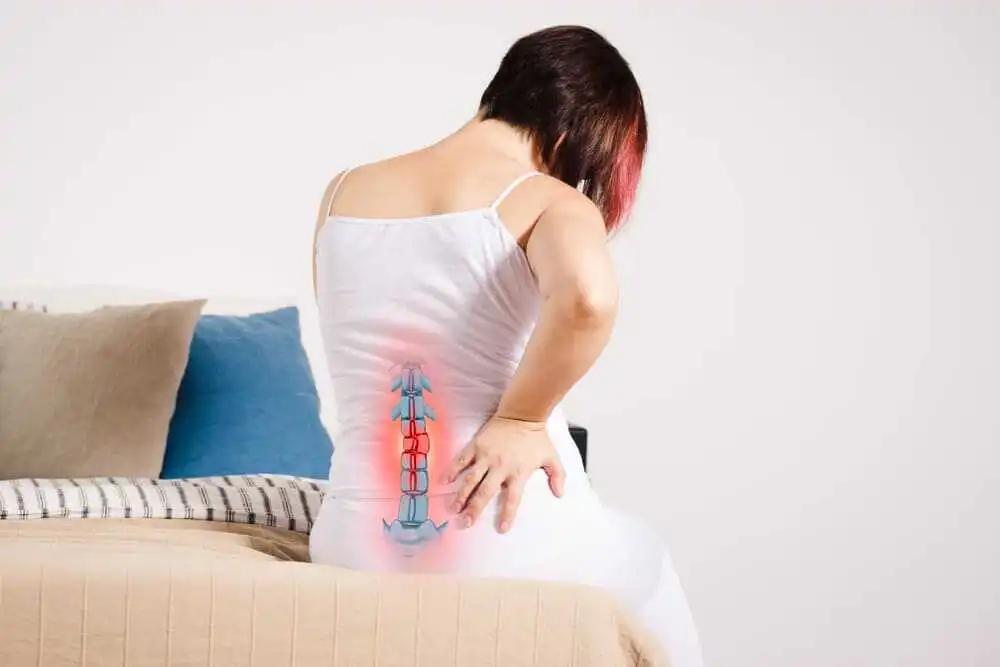
Maintaining a healthy spine is essential for overall well-being, mobility, and quality of life. For people suffering from spinal deformities, such as scoliosis or kyphosis, living with pain, stiffness, or limited movement can be challenging. Advances in medical technology have introduced a surgical approach called minimally invasive spinal deformity surgery, which has transformed the way spine problems are treated. This type of surgery offers a path toward long-term spine health with less disruption to the body compared to traditional open surgery.
Understanding Minimally Invasive Spinal Deformity Surgery
Minimally invasive spinal deformity surgery is a technique that allows surgeons to correct spinal curvature or misalignment through smaller incisions. Unlike traditional open surgery, which requires large cuts and extensive muscle dissection, minimally invasive techniques focus on reducing trauma to surrounding tissues. This approach helps in preserving the natural structure and function of the spine while achieving the desired correction. Patients benefit from less blood loss, reduced postoperative pain, and shorter hospital stays.
Advantages of a Minimally Invasive Approach
One of the main advantages of minimally invasive spinal deformity surgery is faster recovery. Because the surgery is less traumatic, patients can start rehabilitation sooner, which helps maintain spine strength and flexibility. Additionally, smaller incisions mean a lower risk of infection and complications. Over time, this can translate into better long-term spine health. Patients also report improved quality of life, as they experience less pain and regain mobility more quickly compared to traditional surgery methods.
How the Procedure Supports Long-Term Spine Health
Correcting spinal deformities early through minimally invasive techniques can prevent future complications such as chronic pain, nerve damage, and reduced mobility. The surgery realigns the spine, improving posture and balance, which reduces strain on muscles and joints. This alignment is crucial for long-term spine health because it distributes body weight evenly and helps maintain proper function of the nervous system. Patients who follow post-surgical rehabilitation plans often enjoy years of improved comfort and activity levels.
Who Can Benefit from Minimally Invasive Spinal Deformity Surgery
This surgical approach is suitable for both adults and adolescents experiencing spinal deformities that affect daily life. Patients with moderate to severe curvature or those whose condition continues to progress despite conservative treatments like physical therapy or bracing are often ideal candidates. Surgeons evaluate each patient individually, taking into account age, overall health, and the specific type of spinal deformity to determine the best treatment plan.
The Role of Rehabilitation After Surgery
Rehabilitation is an important part of achieving long-term spine health after minimally invasive spinal deformity surgery. Physical therapy focuses on strengthening the muscles that support the spine, improving flexibility, and teaching patients proper posture and movement techniques. Consistent follow-up care ensures that the spine remains aligned and any potential issues are addressed early. This combination of surgery and rehabilitation maximizes the chances of maintaining a healthy, functional spine over time.
Technological Advancements Making Surgery Safer
Modern imaging techniques and surgical tools have made minimally invasive spinal deformity procedures safer and more effective. Surgeons use advanced imaging to plan each step of the surgery precisely, ensuring that corrections are accurate and complications are minimized. Navigation systems and specialized instruments allow for small, precise movements, reducing the risk to surrounding tissues. These advancements have contributed to the growing popularity of minimally invasive techniques as a reliable solution for long-term spine health.
Conclusion
Minimally invasive spinal deformity surgery offers a promising path toward long-term spine health. By reducing trauma during surgery, speeding up recovery, and preserving natural spinal function, this approach allows patients to regain mobility and live with less pain. Combined with proper rehabilitation and regular follow-up care, minimally invasive techniques can significantly improve quality of life and help maintain a strong, healthy spine for years to come. For anyone struggling with spinal deformities, discussing this surgical option with a qualified specialist can open the door to a healthier and more active future.