
When it comes to creating an impression at the workplace or in an interview, the clothes you put on matter. A professional appearance reflects your dedication, focus on particulars, and also conveys respect for the job as well as your employees, customers, managers, and your business.
From controlling a boardroom to making an impression at networking events, everything starts with dressing to be successful. If we are comfortable wearing our clothes is evident! That’s why taking care of your clothing choices can improve your confidence and put you in a winning mood.
In this article, we will explore the many aspects of smart corporate attire and how to learn how to dress to be successful.
Where did the phrase “business attire” originate? Before
In the 1990’s the dress code for business attire was simple and straight – as a concept, it was essentially meant to be suits (blazers and suits) for both women and men. Casual Fridays or informal office wear was a non-issue. What was it that was significant enough to shake the norms of office attire globally?
The internet! Yes, it is true that not, the internet changed the way we work (like sending emails or notes to colleagues in mere minutes) but also provided us a more casual style to dress. It was at this point that the term “business casual” was created.
As time passed, the new style of dressing morphed into something somewhat casual than business attire, with numerous studies proving an association between your attire and how it affects your performance (with “too casual” seeing declines). In response to this, businesses began introducing formal dress guidelines in the late 2000s, which led to a variety of expectations for corporate clothes.
What are the best business clothes?
It’s anything that you would wear in an office or professional environment, for example, such as a workplace or studio. Since every office has its unique brand image, contemporary corporate dress can mean a variety of things; however, they all typically fall under three categories: formal or business casual, and informal.
Different dress code styles
Knowing the various styles of dress codes will aid you in getting a grasp of what your colleagues and managers, customers, or clients want from you. We’ll explain what each dress code is and how you can pick the appropriate outfit for your meeting or interview.
Formal corporate attire
Like black tie, however, it’s a bit more reserved and formal; business formal is the ideal attire for most formal events in the world of business. It’s the kind of dress you’d wear for important night events such as awards ceremonies, dinners for fundraisers, galas, balls, and so on.
Think black suits and ties for guys, and sophisticated outfits or dresses for women. It is possible to elevate your appearance with the right accessories, such as a stylish belt, cufflinks, and tie clips for gentlemen, as well as sophisticated, but minimalist jewelry for ladies. This is a polished and conservative appearance, and the rules for formal attire and black tie are quite strict, so it’s essential to check the dress code of your workplace if you’re not certain what’s required.
Here are some ideas for ways to dress so that you stand out at the next formal business gathering.
There are many choices for women working, but what exactly is formal? For women, it’s impossible to be wrong in choosing a stunning evening gown for those formal black tie occasions. If you prefer a more well-tailored skirt or pantsuit or blouse, closed-toe pumps, and delicate accessories give an impressive presence at formal gatherings or networking events.
For a gala dinner, consider elegant, modestly cut full-length dresses along with a clutch and striking heels to finish the style.
Remember, you’ll want to feel comfortable! Therefore, choose formal business attire that you are comfortable in.
Business formal for males typically means a suit that is tailored and tied with a dark hue like navy or black, paired with the lighter colour of a button-down dress shirt and polished shoes, such as Oxfords and loafers.
It is possible to kick the look up a notch or two by wearing a waistcoat, too, but make sure to make sure it matches the suit’s colour or stick to neutral. If you’re really looking to add a bit of color and style, then a tie or pocket squares are the ideal location to add some colour!
Professional attire for business
A little less formal than business formal, professional business attire preserves the appearance of a conservative style and allows for a little imagination. Consider everyday settings in which a more formal style of dress is employed for the legal office and financial offices, political offices, or businesses that have a strict dress code. Dress codes for business can change, and you should always confirm when you’re not sure.
For men, it typically refers to a suit as the main item, which is paired with a professional shirt and polished shoes. In certain situations, a tie is not required. You can add an accessory like a watch or a belt to bring your outfit together.
The female style offers many options, including well-tailored skirts, dresses, or trousers with matching dresses or shirts. Accessories can be a bit more bold and add a bit of humour and vibrancy.
Casual business attire
Business casual is more casual than the typical office attire, yet not as casual as a tracksuit or a T-shirt. It is a compromise between casual and professional and gives you more freedom to express yourself using the colors and patterns.
With elements that are a mix of casual and professional attire, business casual is usually described as clean, neat, and polished. Traditional options such as jeans and corporate skirts can often be complemented by casual items such as dark jeans and chinos. There are many options for tops, including classic button-downs, blouses, sweatshirts, and even Polo tops.
If you’re looking to make your outfit more stylish, it is possible to add an oversized cardigan, blazer, or coat – especially in the winter months when temperatures are colder. For footwear, closed-toed ones like loafers, Oxfords, or boots, as well as flats, are great choices. Also, you can wear heels to dress up your sandals or jeans during the warmer months. Simply take off your thongs!
In terms of your accessories, the most important thing is to be minimalist. Consider subtle jewellery or a belt and scarf to give a hint of your personal fashion.
Casual business attire is suitable for many occasions, from meetings with clients to office work. A good compromise between casual and formal as well, it’s an ideal alternative when dress code requirements are not clear.
How do you dress to be successful in the workplace
Dressing for success doesn’t only have to be about what you w, wear but also comes down to the colours and fabrics. While a dress code for work might not specifically specify the colors or fabrics however it is still worth looking into.
The color of your clothes will have an impact.
While colors can be a great method to display your personality but you might find that certain situations require a less sombre palette. Neutral colors, such as navy, black, or brown, are great and secure office essentials.
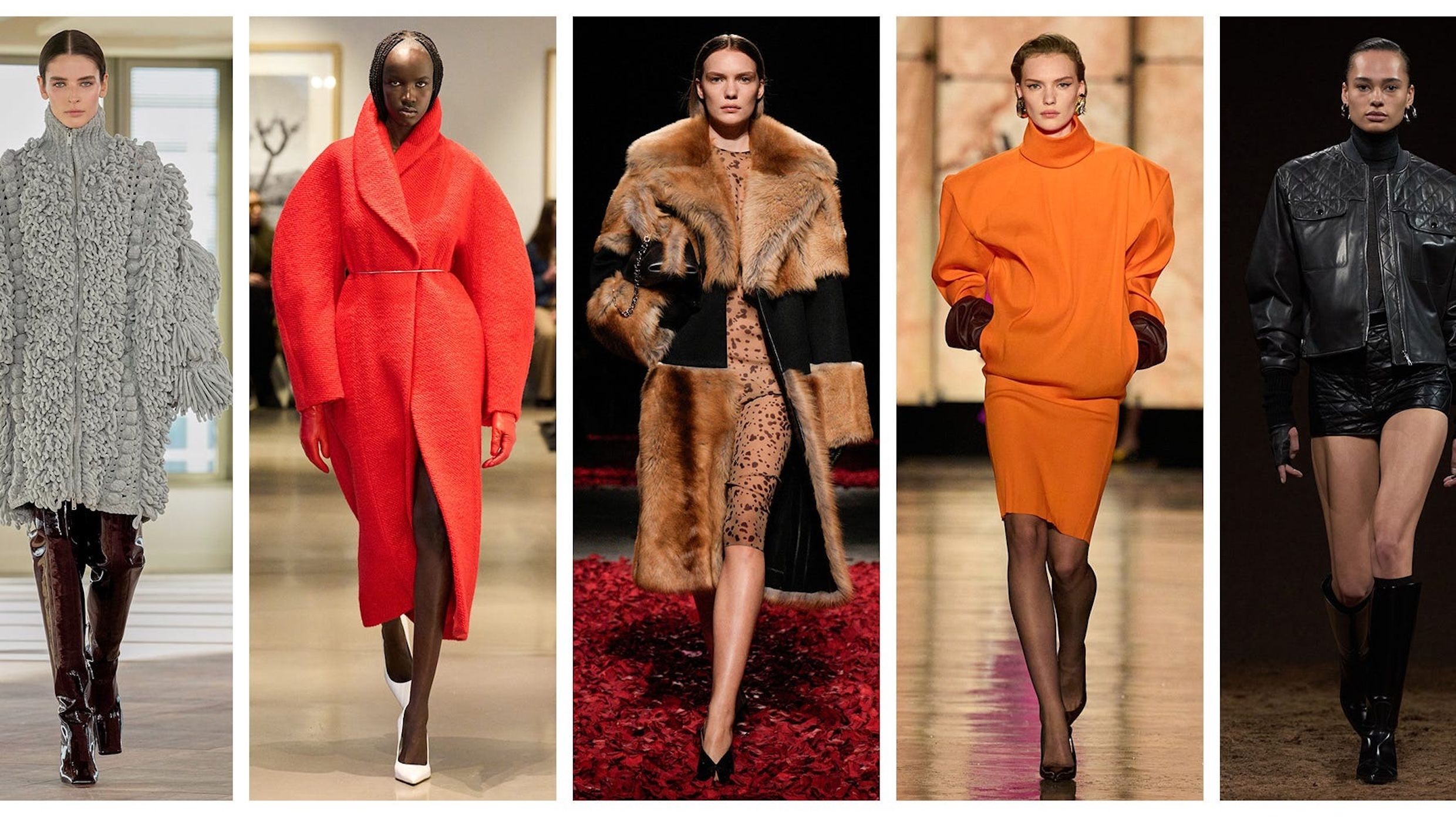
They also work for formal occasions such as an evening gala or black tie event. However, that doesn’t mean colors should not be avoided – only in the right way. If your work environment is towards formal attire, using bright colors can be a fantastic way to add a splash of flair to your outfit and boost your confidence!
Different fabrics play an integral function in your work clothes
In addition to the colour, take note of the fabric. In addition to wanting to look good, however, you must also feel at ease throughout your workday. Select fabrics that permit flexibility and breathability, which will increase your comfort during the day. You might also want to consider the way you work.
Consider linen as an example. It’s soft and comfortable, a more casual and relaxed-looking fabric, which isn’t suitable for every work environment since it can wrinkle easily. In more formal settings, you can opt for traditional blazers made from poly-cotton or dress up the appearance by wearing a velvet blazer or tie.
How well your clothes fit can make a huge difference
In addition to the fabric, be aware of the way your clothing fits. A well-fitted ensemble can enhance your appearance and provide a flawless, put-together appearance. A suit that is tailored speaks for itself and gives you a powerful appearance.
However, clothes that don’t seem to fit well (think oversized jumpers, suits with oversized sleeves, blazers that have sleeves that are too long, etc.) could make you feel uneasy while trying to concentrate or trying to be noticed.
It’s the little things that matter.
Once you’ve got the color and fabric, as well as the fit done, what about the little aspects? Accessories like belts, shoes, bags, jewelry, and much more aid in bringing your look together when you’re sticking to the dress code.
For instance, formal business attire requires a bit more consideration of these elements as opposed to casual attire. The whole thing is based on the way you’d like to be perceived by your bosses and coworkers. It’s also about personal grooming. An elegant appearance is a must with your clothes to create that coveted first impression.
Professional attire should be based on cultural considerations.
Respecting and understanding the cultural differences is vital in business attire. As different cultures may have different standards for dress and formality,y it is essential to be aware and dress accordingly.
How do you think about the appropriate attire for different cultures? If you’re having a meeting with people from a different cultural background, think about studying the dress code for their particular culture. It could be that you have to modify your attire to fit.
This is especially important for international events, particularly when you’re traveling to another country. In this instance, you might find it appropriate to dress in a manner that is more formal. Part demonstrating respect and appreciation for their customs and culture.
Avoiding business attire blunders
With numerous dress codes that cover various events on different days, it’s difficult to know what you should wear to work. It is important to keep in mind that everyone is prone to making mistakes and not to take yourself too seriously when you fail to meet the standards on the very first try. For your convenience, there are some essential corporate dress-code mistakes to avoid
- Dressing too casually. If you’re wearing a business casual dress code, it’s possible to go way too far! Beware of flip-flops (thongs) and an embroidered t-shirt or jeans that look slightly worn!
- Dressing in clothes that are too visible. The office is a place of business that demands professional attire, therefore it’s essential to show the same in your workplace attire.
- In excess of the accessories: While an accessory like a watch or a few pieces of jewelry is nice, however, you shouldn’t overdo it! Be selective with your accessories so that you don’t impede your message or point of view.
- Untailored or poorly fitting clothes. It’s quite evident, so if you are wearing a suit that doesn’t fit well, consider having it tailored to an improved fit.
Dress code for business attire on special events
Certain occasions require a specific style of your attire. There are a variety of situations you’ll have to deal with where expectations of what you wear will vary.
In general, it is possible to gain a better idea of what to wear of the type of business or event you’re going to. For all other occasions, you’ll need to know the most important dress codes for special events.
Dressing for interviews with employers and career fairs
So you’ve got a job interview, and the company has a very relaxed culture, as you’ve been told online.
Do you think this means you are able to wear a casual outfit? It could seem like a pleasant surprise;however, unless they explicitly advise you not to dress formally to be interviewed, it’s better to dress more formally.
For a start interview, you should wear professional attire. This not only tells the interviewer that you take it seriously, but it also helps inspire you to get into that winning mindset that will help you get the job done!
The same applies to career fairs, too. You don’t know who you could get to meet or make an impression upon, therefore it’s recommended to dress more formally for the event.
Dressing up for trade exhibitions
If your business does not provide specific uniforms for these occasions, it may be difficult to determine what you should wear. In this case, conferences will need formal attire, for example, a leather button-up shirt and slacks in a neutral color.
Sometimes, trade shows are somewhat informal, and polo or a t-shirt with a company logo might be a good choice.
If you’re unsure, you should ask your HR manager or boss.
Dressing in a professional way for networking events, as well as professional mixers
For networking events, your attire must be professional yet easy to approach and allow you to create those first impressions that are memorable and build relationships.
There’s a common expectation of formal or casual attire for these occasions, depending on the place where the event is held, the time of the event, and the type of industry it’s aimed at.
Dressing up for corporate holidays and other events
Dressing for holiday and corporate events is based on the event’s about and the type the party.
Christmas parties tend to be informal, permitting informal wear within the boundaries of the general expectations for business. Corporate events can be casual or formal, as the annual General Meeting calls for formal attire, while a social gathering on the patio at work is more casual, in which case business casual is appropriate.
In the business world, your appearance can speak in a big way. It’s not just about adhering to the dress code; it’s about using clothes as a way to demonstrate your confidence, professionalism, and authority.
If you are aware of the different kinds of dress codes while adhering to the cultural guidelines and avoiding common blunders, you can learn to dress to be successful. Keep in mind that how you wear your clothes reflects your character and the commitment to your job, and the appreciation for the opportunities that are thrown your way.
FAQs
What should I wear to an interview?
As the old saying goes, “It’s better overdressed than to be underdressed. When you are interviewing for a job, choose an appropriate appearance. A well-fitting suit, casual blouse or shirt, and polished shoes will create an excellent impression. Even if the dress code of your workplace is more casual and you want to dress professionally, it will demonstrate to your potential employer that you’re well-presented and keen to take on the job.
Are jeans acceptable to wear with business casual clothes?
In certain business casual settings in certain workplaces, dark-colored jeans that are well-fitted may be appropriate. Make sure you check the dress code before you go, and if you’re not sure, ask your supervisor or manager before wearing your jeans.
How do I select the correct colours for corporate outfits?
The majority of outfits generally tend to be dark, muted neutral colors like black, navy or dark green, brown, or grey. But you can also include a splash of color in the form of a tie or a blouse (even when it’s a formal office).
Always be advised by your specific workplace dress code, as well as what the other employees in the office are wearing. If you are unsure, ask your supervisor as well as your HR department manager for help.
What is the importance of grooming formal clothes?
The grooming process is as crucial to your appearance as choosing the appropriate attire. It is important for your carefully picked outfit to be accompanied by well-groomed nails, clean hair, a neat beard, or a clean-shaven appearance.
Always ensure that you’re neat, clean, have a pleasant scent, and that you are groomed properly.
Do you need to wear a tie in business attire?
It’s not always necessary for a man to tie a knot when wearing a business outfit. In formal environments, a tie is typical; however, in business casual settings, you could prefer not to wear one.
Verify your business dress code if there’s a problem.
Are there any particular guidelines regarding wearing jewelry or makeup when you wear formal outfits?
Although makeup is an expression of one’s personal taste, when it comes down to work, it’s recommended to keep the makeup and jewelry simple and professional.
It is possible to dress up in accessories, but make sure they are not overly excessive or extravagant, and that they have a refined appearance. For work the less is more.
Are sneakers acceptable to wear with formal attire?
In some workplaces, sneakers are permitted provided they’re neat, not casual in style or colour, and if your dress code permits them. Of course!
Select a stylish pair of sneakers, like sneakers made of suede or leather. You can opt for lace-up or zipper designs as they will appear more elegant than slip-on styles.
How can I dress properly for an event like a business dinner or a client meeting?
For formal dinners or client meetings, go for formal outfits. A well-tailored suit or dress, with the right accessory, can be a good choice that won’t just impress and impress, but it will make you feel comfortable.
Is it acceptable to wear clothing that has prominent branding or logos when in a professional environment?
If the logo of the business is that of an employer you are currently working for, there’s no need to worry about it. If your workplace falls on the lower end of the business casual spectrum, and states that this is acceptable, and you’re not required to use any logos or branding that are visible. They could not communicate the professionalism required in a workplace.